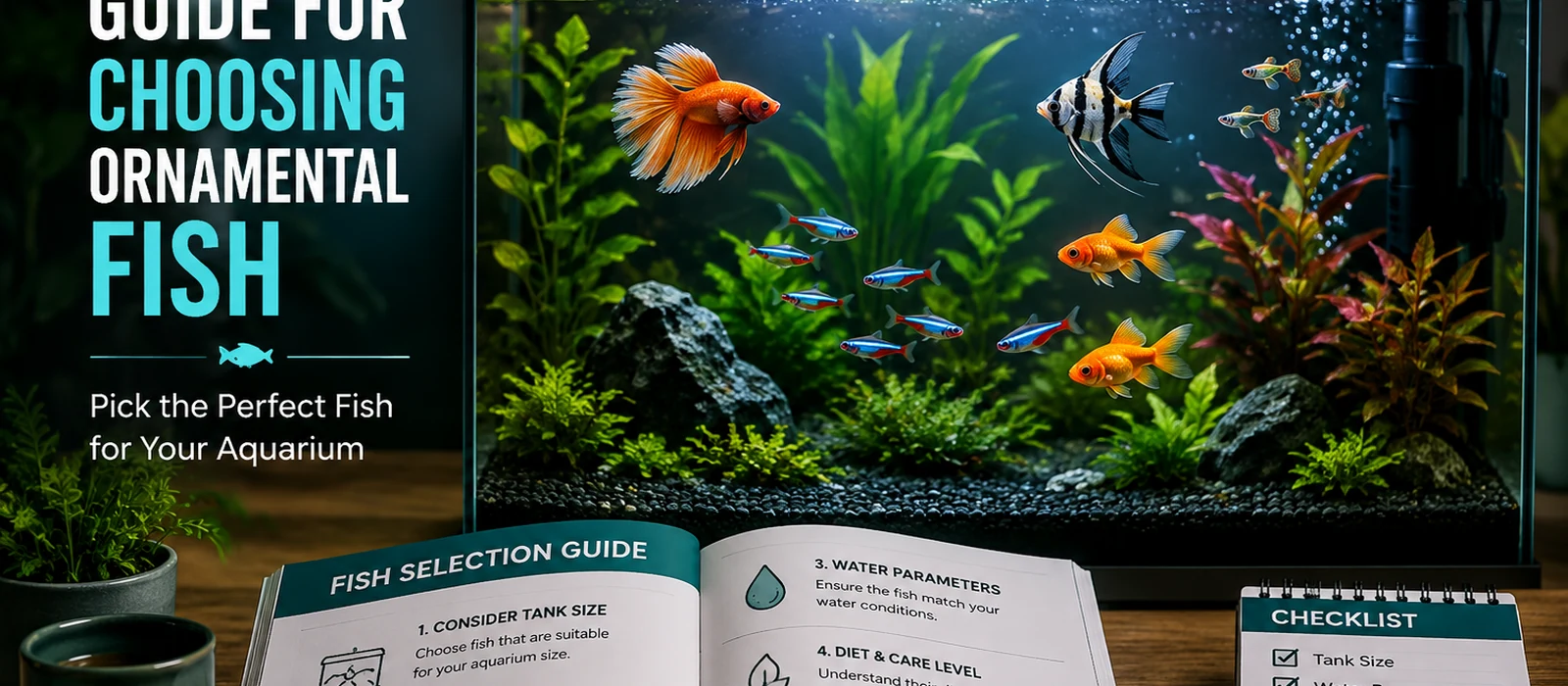
Choosing the right ornamental fish is the first step towards a healthy, beautiful and sustainable aquarium. The best choice depends on your tank size, water conditions, compatibility, temperament and the care each species needs.
1. Introduction
Choosing fish should be more than a colour or size decision. A fish that looks perfect in a shop may not be suitable for your aquarium once adult size, behaviour, water requirements and diet are considered. A little planning before purchase helps create a peaceful community and reduces avoidable stress.
2. Know Your Aquarium
Start with the aquarium you already have—or the aquarium you plan to build. Check its volume, dimensions, filtration capacity, temperature range, water parameters and available swimming space. Also consider how much time you can realistically give to maintenance.
3. Types of Ornamental Fish
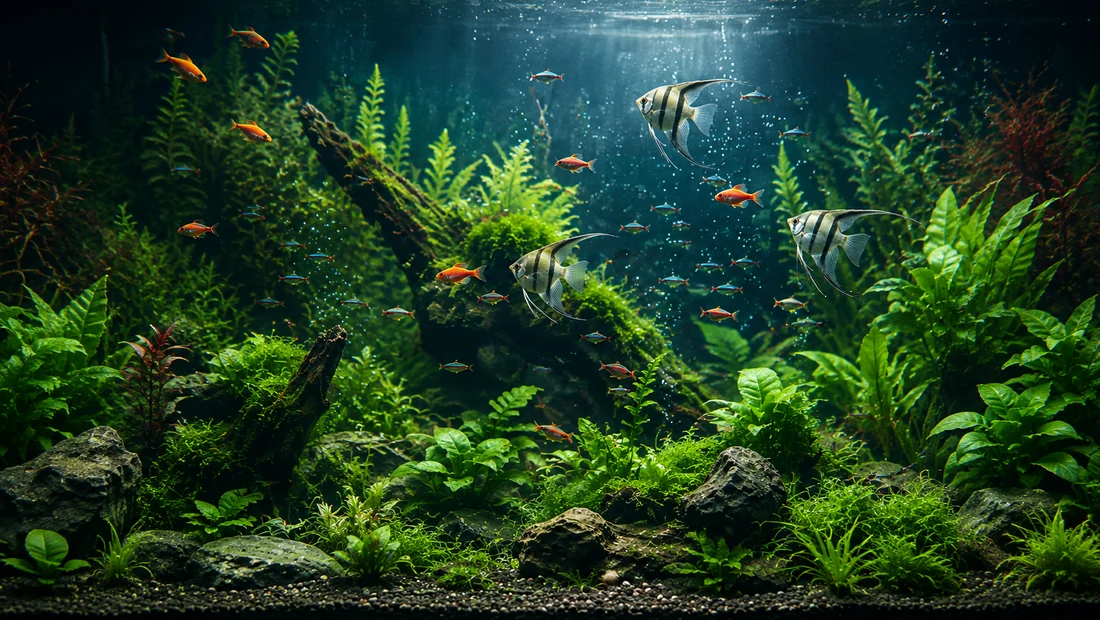
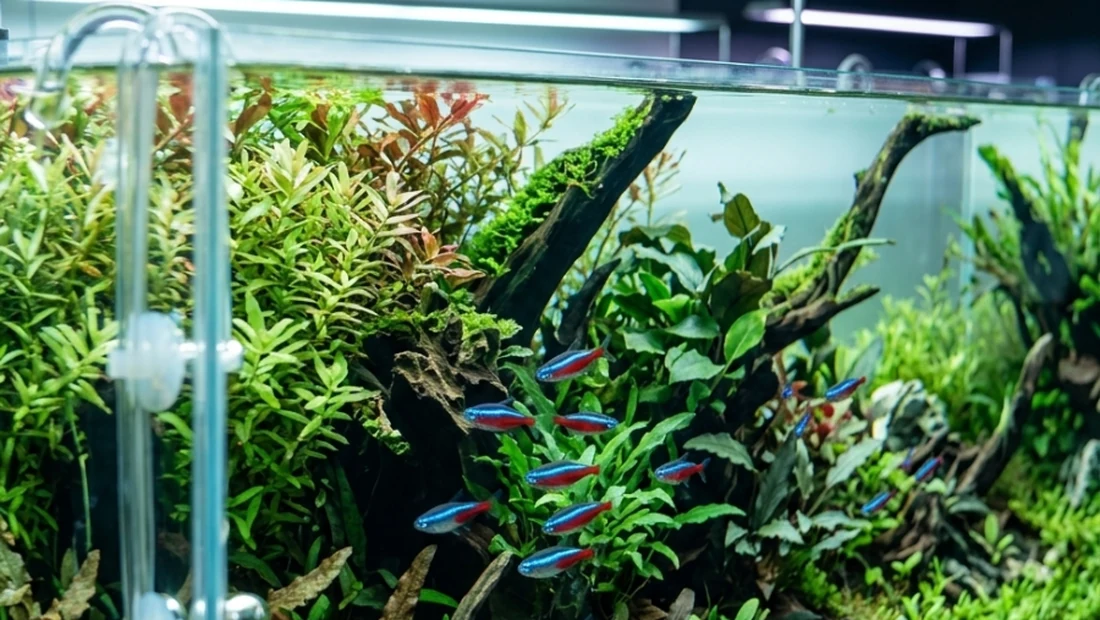
Ornamental fish can be grouped by their water requirements and community behaviour. Common freshwater choices include livebearers, tetras, rasboras, gouramis, corydoras, bettas, goldfish and many varieties of cichlids. Marine fish require a different setup and should not be mixed into a freshwater stocking plan.
4. Key Factors to Consider
Use this quick checklist before choosing a fish:
5. Fish Compatibility
Compatibility depends on more than whether two fish are labelled “community”. Consider adult size, temperament, swimming level, territorial behaviour and whether the species may compete for food. Avoid combining fish that require dramatically different water conditions or temperatures.
Think long term
Check adult size and adult behaviour—not just the size and temperament of a fish at the time of purchase.
6. Acclimation Process
Once you have selected suitable fish, acclimate them gradually. Turn aquarium lights down, float the sealed transport bag briefly to reduce temperature shock, then gradually mix small amounts of aquarium water into the bag before gently transferring the fish. Avoid adding transport water to the display aquarium when possible.
7. Feeding & Care Basics
Choose food appropriate for the species and feed small portions that are consumed promptly. Observe fish during feeding: reduced appetite, unusual hiding or rapid breathing can be signs that something in the environment needs attention. Regular maintenance, stable temperature and good filtration are just as important as food quality.
8. Common Mistakes
Common problems include overstocking, buying fish before the aquarium is cycled, ignoring adult size, mixing incompatible species, overfeeding and making large unnecessary changes to water chemistry. When in doubt, stock conservatively and research the adult requirements of each species.
9. Conclusion
The best ornamental fish for your aquarium are the fish you can comfortably keep healthy for their full lifespan. Match species to your aquarium rather than trying to make the aquarium adapt to every fish you like. If you are unsure, the Fishes Hub team can help you build a practical stocking plan.