Clean water is the foundation of a healthy aquarium. Crystal-clear water is not only about appearance—it comes from stable filtration, sensible feeding, regular maintenance and keeping waste under control.
1. Introduction
Cloudy or dirty water is often a symptom of an imbalance rather than a problem that can be solved with a single product. The goal is to manage waste before it accumulates and keep the biological filtration system stable.
2. Regular Water Changes
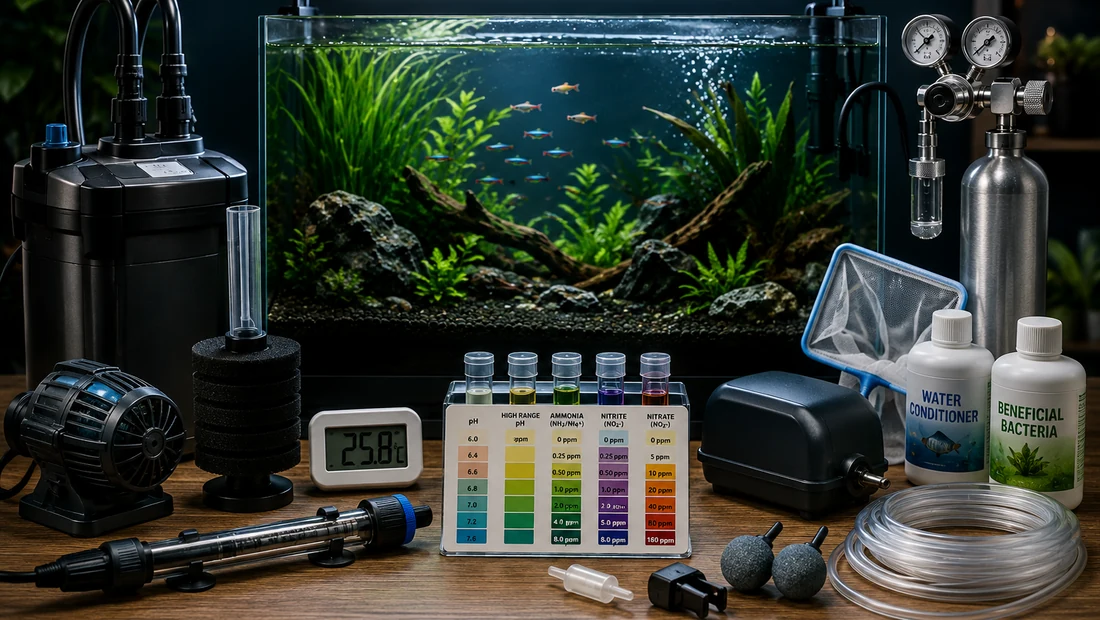
For many home aquariums, a routine partial water change is one of the simplest ways to export dissolved waste and replenish minerals. A common starting point is around 20–30% every 1–2 weeks, then adjust the schedule based on stocking, feeding, test results and aquarium size. Always treat replacement tap water appropriately and try to match its temperature to the aquarium.
Keep a routine
Consistency is more useful than making very large, irregular water changes because the aquarium “looks dirty.”
3. Proper Filtration
The filter should run continuously and provide suitable mechanical and biological filtration. Remove trapped debris when needed, but do not replace or aggressively clean all biological media at once. If water becomes cloudy soon after a new setup, test the water and check the nitrogen cycle rather than simply polishing the water repeatedly.
Maintenance tip
Clean filter components when flow drops or debris builds up, while preserving established biological media wherever possible.
4. Avoid Overfeeding
Uneaten food breaks down into waste and can contribute to poor water quality. Feed modest portions and watch how quickly the fish consume them. If food remains after a short feeding period, reduce the next portion. Different species have different feeding habits, so follow a species-appropriate routine.
5. Clean the Substrate
A gravel vacuum can remove trapped debris during water changes without completely stripping the substrate. Work in sections and avoid disturbing the entire bed at once, especially in established aquariums where beneficial bacteria are present on surfaces throughout the system.
6. Water Testing
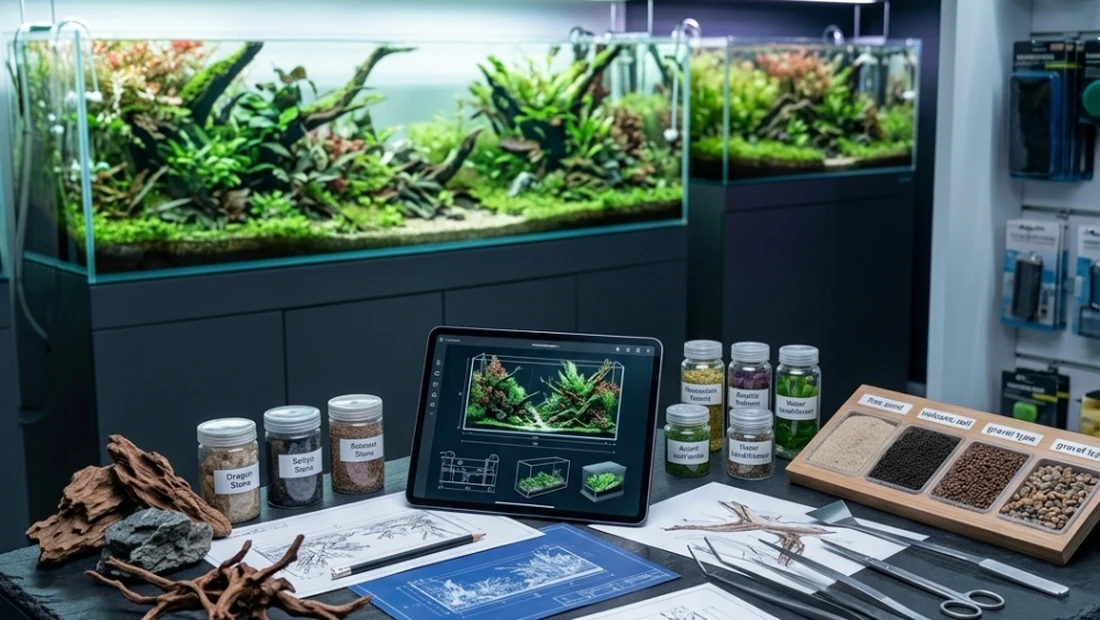
Test water when establishing a new aquarium and whenever there is a reason to suspect an issue. Ammonia and nitrite should not accumulate in a properly cycled aquarium. Nitrate gives you a useful indication of waste accumulation between water changes. Keep a simple record so you can spot trends over time.
7. Use Water Conditioner
If your tap water contains chlorine or chloramine, use a suitable water conditioner according to its label before adding replacement water. Conditioner is part of responsible water preparation, but it does not replace filtration, water changes or good stocking practices.
8. Conclusion
Clean aquarium water comes from consistency. Keep the filter running, feed sensibly, perform partial water changes, remove accumulated waste and test when needed. When these habits become routine, your aquarium is much easier to keep clear, stable and healthy.