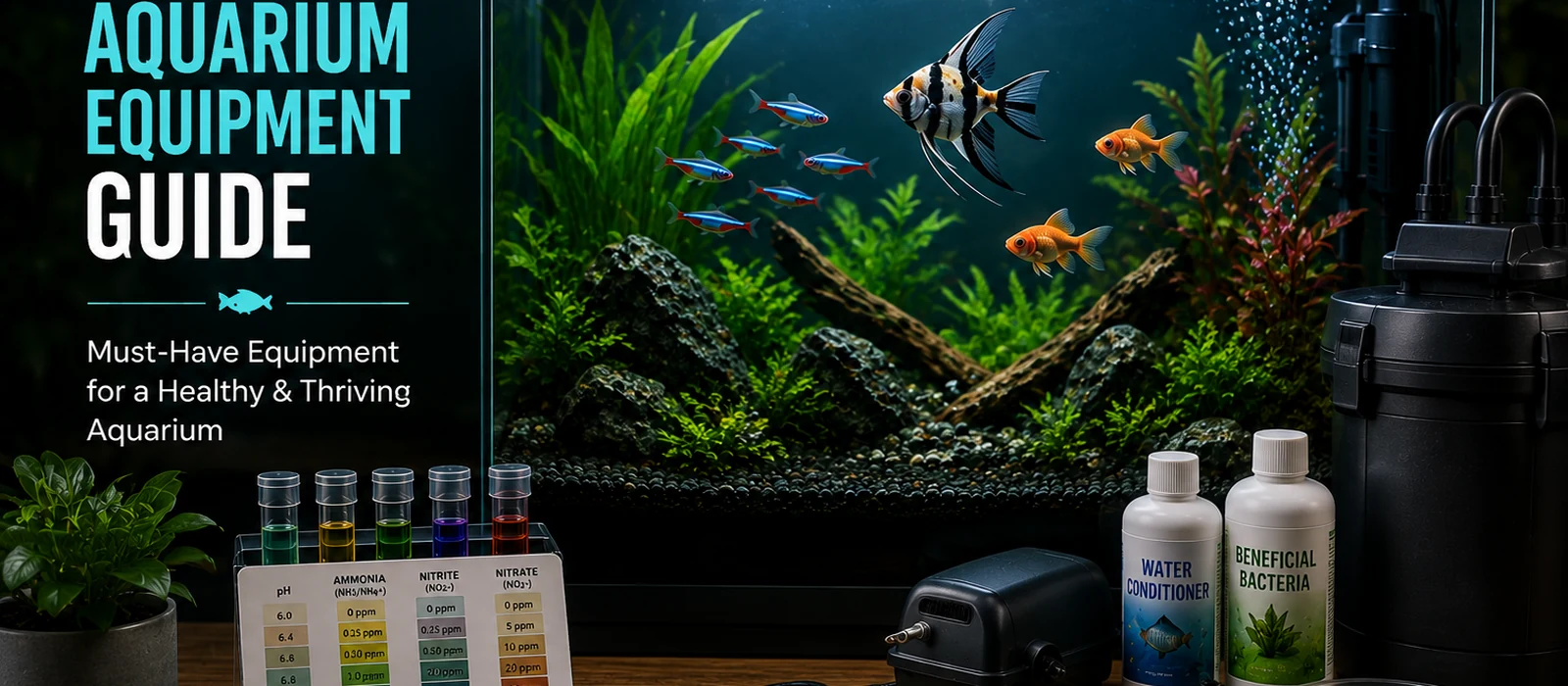
The right aquarium equipment keeps water stable, fish healthy and maintenance manageable. This guide covers the essential equipment to consider for a practical home aquarium setup.
1. Introduction
Aquarium equipment should support three priorities: stable water conditions, adequate oxygen and circulation, and a setup that is easy to monitor and maintain. The exact equipment list depends on tank size, fish, plants and whether the aquarium is freshwater or marine.
2. Filtration System
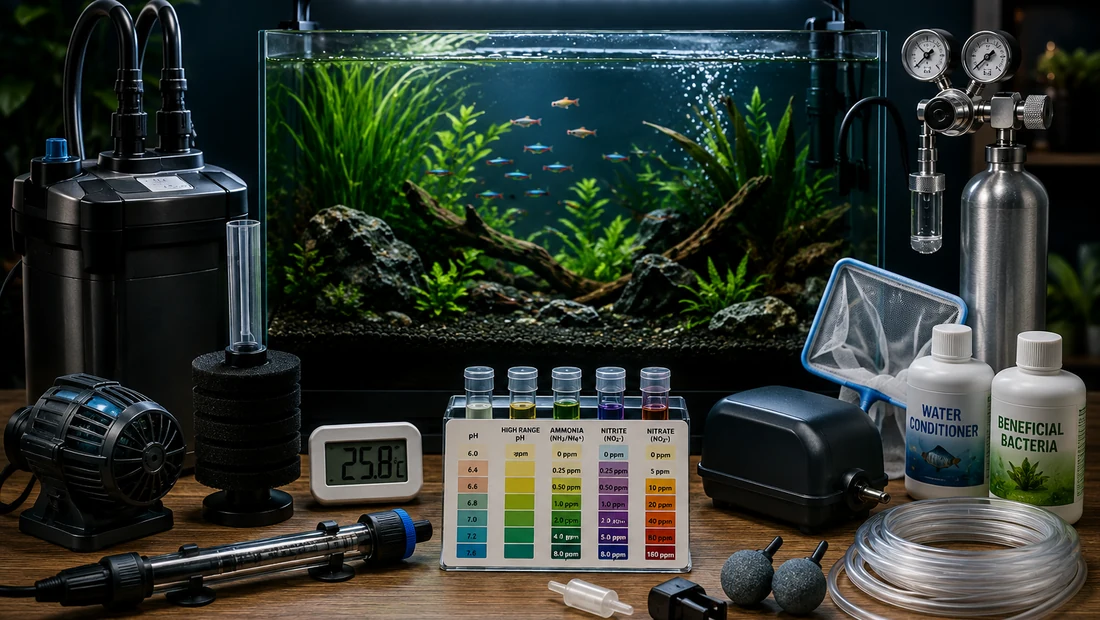
A good filter removes suspended waste and provides a surface for beneficial bacteria. Choose a filter with appropriate flow for your tank and fish. Mechanical media catches debris, while biological media supports the nitrogen cycle. Rinse reusable media in removed aquarium water rather than chlorinated tap water so you do not unnecessarily damage beneficial bacteria.
Maintenance tip
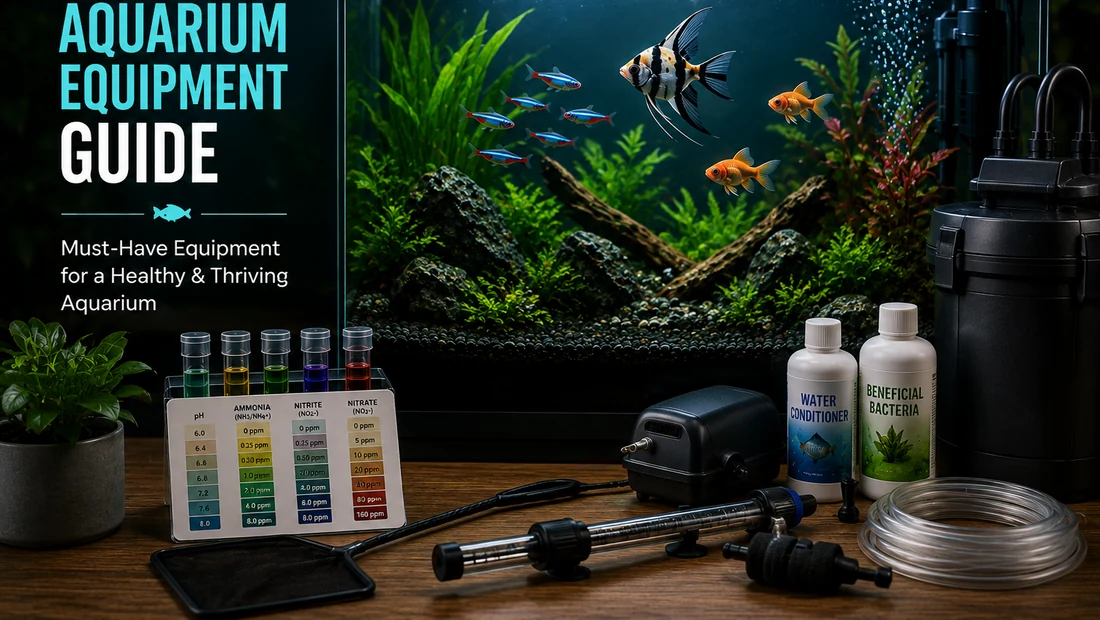
Clean filter components when flow drops or debris builds up, while preserving established biological media wherever possible.
3. Lighting
Lighting is primarily about visibility and, in planted aquariums, plant growth. LED fixtures are popular because they are efficient and available in many sizes. Use a timer for a consistent daily schedule and avoid leaving lights on continuously, which can encourage algae growth.
4. Heater
Many tropical freshwater fish need a stable warm temperature. Select a heater suited to the aquarium volume and use a separate thermometer to verify the actual water temperature. Place the heater where water circulation is good and follow the manufacturer’s installation instructions.
5. Air Pumps & Aeration
Air pumps and air stones can improve gas exchange and create useful surface movement. Aeration is especially helpful when oxygen demand is higher, during warm conditions, or when a filter does not create enough surface agitation. Keep airline connections secure and use a check valve when the pump is positioned below the aquarium water level.
6. Water Test Kits
A basic test kit helps you understand what is happening in the aquarium rather than relying only on appearance. Depending on your setup, monitor parameters such as ammonia, nitrite, nitrate and pH. Test more often when cycling a new aquarium, after adding livestock, or when fish behaviour changes.
7. Other Useful Equipment
A practical setup may also include a thermometer, aquarium net, gravel vacuum, algae scraper, water conditioner, buckets reserved for aquarium use and a timer. Planted tanks may need additional equipment such as specialised lighting or CO₂ systems depending on plant selection and goals.
8. Conclusion
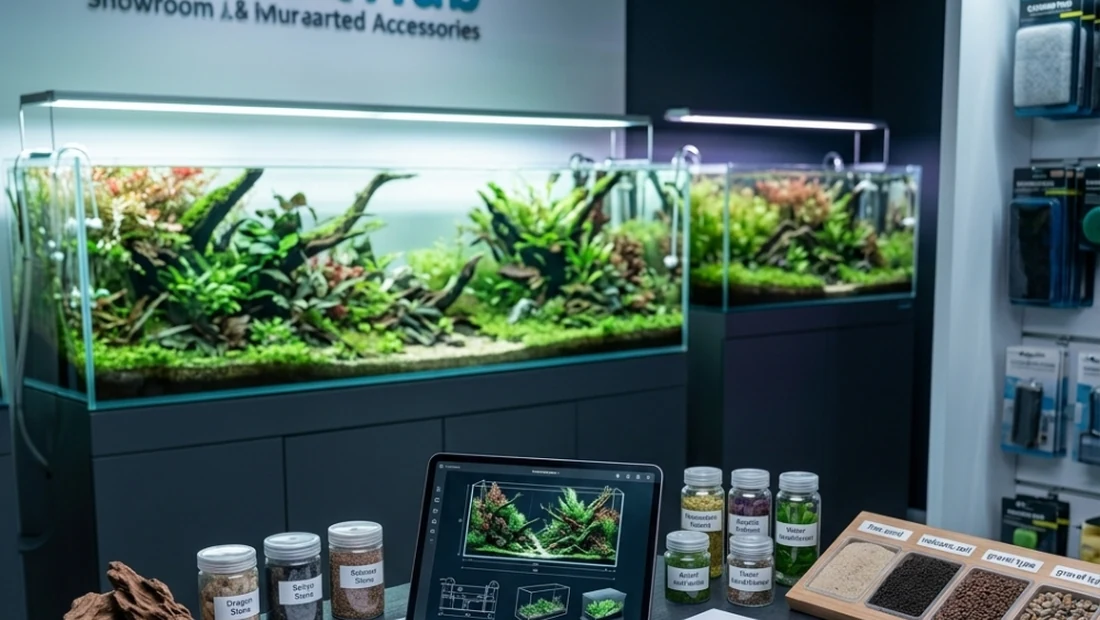
Buy equipment for the aquarium you actually keep, not simply the largest or most expensive option. Reliable filtration, stable temperature, suitable lighting and simple maintenance tools will usually make a bigger difference than unnecessary gadgets. If you are planning a new setup, Fishes Hub can help match equipment to your tank.